
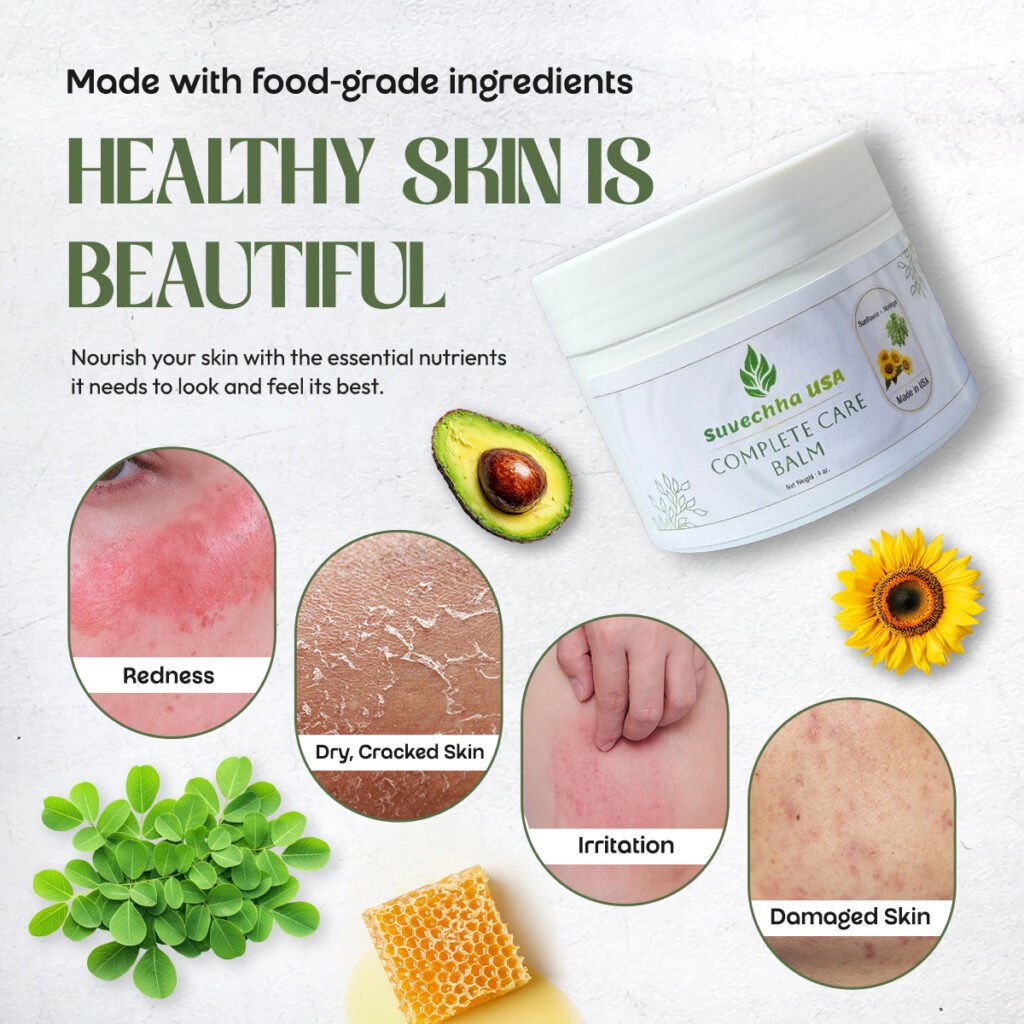
Eczema can be one of the most frustrating skin conditions to live with. The itching, redness, dry patches, and recurring flare-ups often make it feel like the condition never truly goes away. Many people rely on moisturizers, medicated creams, or topical steroids to manage symptoms, but these treatments primarily help control inflammation rather than identify what may be triggering the flare.
For some individuals, eczema may be aggravated by specific foods, skincare products, environmental allergens, fabrics, or other personal triggers. Learning to identify these triggers can become an important part of long-term eczema management.
One strategy that some people choose to explore is a structured elimination and reintroduction approach. While scientific evidence supporting a universal “total elimination” protocol is limited, a carefully planned elimination process—may help identify personal triggers for certain individuals.
Understanding Eczema Triggers
Every person with eczema is different. What causes a flare-up in one person may have no effect on someone else.
Potential triggers can include:
- Certain foods (for some individuals)
- Fragranced skincare products
- Harsh detergents and cleaning products
- Dust mites
- Pet dander
- Mold
- Pollen
- Wool or synthetic fabrics
- Nickel-containing jewelry or accessories
- Stress
- Hormonal changes
- Dry weather
Because everyone’s triggers are unique, identifying them often requires patience and careful observation.
Phase 1: Simplify and Reduce Potential Triggers
The goal of the first phase is to reduce as many potential irritants as reasonably possible for a limited period while allowing the skin to recover.
Dietary Simplification
Some people choose to temporarily eliminate foods that are commonly associated with sensitivities, such as:
- Dairy
- Soy
- Wheat and gluten
- Eggs
- Tomatoes
- Citrus fruits
- Nuts and peanuts and chocolate
- Shellfish
- Highly processed foods
- Sugary beverages
- Alcohol
Important: Restrictive diets are not appropriate for everyone. Significant dietary changes should always be discussed with a registered dietitian to ensure nutritional needs are met.
Simplifying Your Skincare Routine
Many people with eczema benefit from reducing exposure to unnecessary ingredients.
During this period, consider avoiding:
- Fragranced soaps
- Body perfume
- Bubble baths
- Toilet cleaning products
- Scented lotions
- Makeup
- Fabric softeners
- Strong household cleaners
Instead, use gentle, fragrance-free products designed for sensitive skin.
Creating a Skin-Friendly Environment
Environmental factors may also contribute to eczema flare-ups.
Helpful measures include:
- Washing bedding regularly
- Reducing dust accumulation
- Managing indoor humidity
- Keeping pets out of sleeping areas if pet allergies are suspected
- Wearing breathable cotton clothing
- Avoiding rough or irritating fabrics
How Long Should This Phase Last?
The length of time varies widely.
Some people notice improvement within a few days, while others may require several weeks before seeing meaningful changes.
Continue monitoring:
- Itching
- Redness
- Skin dryness
- Sleep quality
- Frequency of flare-ups
Phase 2: Careful Reintroduction
Once the skin has become significantly calmer, begin reintroducing foods or products one at a time.
A practical approach is to:
- Add only one new item.
- Wait 3–7 days.
- Watch for any return of itching, redness, or inflammation.
- If no reaction occurs, continue and introduce another item.
- If symptoms return, stop using that item and discuss the reaction with your healthcare provider.
Keeping a journal during this phase can make identifying personal triggers much easier.
Why Reintroduction Matters
The purpose of reintroduction is not to permanently avoid large groups of foods or products. Instead, it helps determine which specific items may contribute to eczema flare-ups.
Many people eventually discover they tolerate most foods and products well while only needing to avoid a small number of personal triggers.
Supporting Healthy Skin Every Day
Regardless of your individual triggers, healthy skin habits remain important:
- Moisturize regularly with gentle, suitable, fragrance-free products.
- Avoid excessive scratching whenever possible.
- Wear soft, breathable clothing.
- Stay hydrated.
- Manage stress.
- Practice mindful eating
A Gentle Approach to Eczema Management
There is no single solution that works for everyone with eczema. While elimination strategies may help some individuals identify personal triggers, they should complement—not replace—medical advice and appropriate treatment.
At Suvechha USA, we believe in supporting healthy skin with gentle, thoughtfully formulated skincare products that respect the skin’s natural barrier. Choosing products with simple ingredients and avoiding unnecessary irritants can be one part of a comprehensive eczema care routine.
If you’re considering an elimination approach, work closely with your healthcare provider to ensure it is safe, nutritionally balanced, and appropriate for your individual situation.